Understanding the Role of Wind in Kayaking: A Complete Guide
When you imagine kayaking, you might picture a serene river or a vast lake, with clear blue skies and calm waters. However, one dynamic element that often plays a significant role in this outdoor activity is wind. Wind can turn a tranquil paddling session into a thrilling adventure or a challenging ordeal. In this comprehensive guide, we will explore the relationship between wind and kayaking, offering insights into how wind conditions can affect your kayaking experience and how to navigate them safely and effectively.
How Wind Affects Kayaking
Understanding how wind interacts with water and affects kayaks is crucial for both beginners and seasoned kayakers.
The Basics of Wind and Water Interaction
- Wind Speed and Direction: Wind is measured in terms of speed and direction. Strong winds can create choppy waters, while calm winds provide a smoother experience. Understanding the direction of the wind can help in planning your route.
- Water Surface Conditions: Wind can create waves and surface currents. Larger bodies of water are more susceptible to these changes, which can affect a kayak’s stability and handling.
- Wind Shadow: Areas sheltered from the wind by natural barriers like cliffs or trees experience less impact. Kayakers can utilize these areas for smoother paddling.
Kayak Types and Wind Sensitivity
Different types of kayaks react differently to wind due to their size, shape, and design.
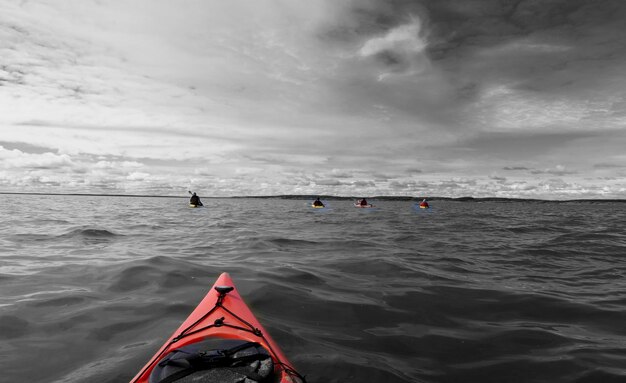
- Sea Kayaks: Designed for open water, these kayaks typically handle wind and waves more effectively due to their longer length and streamlined shape.
- Recreational Kayaks: These are often shorter and wider, making them less stable in windy conditions compared to sea kayaks.
- Whitewater Kayaks: Because they're designed for specific river conditions, they're generally less stable in open, windy waters.
Essential Wind Terminology for Kayakers
Before heading out onto the water, familiarize yourself with key wind-related terms that can impact your kayaking experience.
Beaufort Wind Scale
This scale helps understand wind speed in practical terms, categorizing conditions from calm (Beaufort 0) to hurricane-force winds (Beaufort 12).
Headwinds vs. Tailwinds
- Headwinds: Coming towards you, these winds can increase resistance and slow your progress.
- Tailwinds: Blowing from behind, these can help propel you forward, often resulting in faster travel.
Crosswinds
Winds blowing perpendicular to your path can affect your kayak’s stability and steering, requiring more effort to maintain your course.
Preparing for a Windy Kayaking Trip
Preparation is key when dealing with windy conditions. Here are some practical tips to ensure a safe and enjoyable experience:
Selecting the Right Gear
- Kayak Choice: Opt for a kayak that's well-suited for the expected conditions. Consider stability and control if you anticipate high winds.
- Paddle Selection: A versatile, sturdy paddle allows better control and power, essential in windy environments.
- Safety Gear: Always wear a life jacket. Bring a whistle and a small first-aid kit, especially if conditions are unpredictable.
Checking Weather Conditions
Before heading out, always check local weather reports for wind forecasts. Look at expected wind speeds, directions, and any potential changes throughout the day.
Planning Your Route
- Using Wind Direction to Your Advantage: Plan a route that allows you to utilize tailwinds or avoid strong headwinds when possible.
- Identifying Sheltered Areas: Look for bays or inlets that provide shelter from the wind, offering safe spots to rest or wait out poor conditions.
Wind and Safety Considerations
Safety should always be a priority. Here’s how to manage potential risks associated with kayaking in windy conditions.
Recognizing Dangerous Wind Conditions
- Gusty Winds: Abrupt changes in wind speed can lead to loss of balance and control.
- Sudden Wind Changes: Be alert to weather changes and ready to adapt your plan if needed.
Tips for Safe Passage
- Stay close to the shore when conditions are rough.
- Paddle in a group if possible for added safety and assistance.
- Communicate your plan and expected return time to someone onshore.
Techniques for Paddling in the Wind
Adopting specific paddling techniques can make a big difference when dealing with windy conditions.
Adjusting Your Paddling Technique
- Use Shorter, More Controlled Strokes: This helps maintain direction and control.
- Lean Forward Slightly: Enhances stability, particularly when paddling into the wind.
Navigating with Wind in Mind
- Edging the Kayak: Leaning slightly helps maintain a straight path against side winds.
- Using a Skeg or Rudder: These tools can improve tracking and stability, especially in crosswinds.
Wind and Kayaking: The Natural Synergy
Wind doesn't always have to be a negative factor in kayaking. It can also enhance your experience, offering unique opportunities:
Kayak Sailing
Some kayakers embrace strong winds for kayaking by using a kayak sail, allowing the wind to provide propulsion and adding an exhilarating dimension to the activity.
Kite Kayaking
By attaching a kite, kayakers can explore innovative ways to combine wind and paddling, turning windy days into adventure-filled opportunities.
Addressing Common Myths About Wind and Kayaking
Myth: Wind Always Ruins Kayaking
While challenging, wind can offer exciting opportunities for adventure and learning more about handling your kayak in various conditions.
Myth: Only Experts Should Kayak in the Wind
With the right preparation and understanding, kayakers of all skill levels can safely navigate windy conditions.
Practical Tips for a Windy Kayaking Day 🛶💨
To summarize key takeaways, here's a handy list of practical tips:
- 📅 Check the Weather: Stay informed about forecasts and adjust plans as needed.
- 🚣 Choose the Right Gear: Select equipment suitable for the day’s conditions.
- 📍 Plan Your Route: Use natural landscapes to shield from the wind or gain a helpful boost.
- 🌬️ Master Techniques: Practice paddling techniques for stability and control.
- 🚦 Prioritize Safety: Always have a plan for dealing with emergencies and unexpected weather changes.
Understanding the relationship between wind and kayaking empowers you to make informed decisions and enjoy your time on the water. Whether it’s a calm day or a windy one, with the right knowledge and preparation, you can ensure a safe and memorable kayaking experience that respects the dynamic nature of the elements.
Related Topics
- 1000 Islands Kayaking
- 2 Person Kayaking
- 3 Sisters Springs Kayaking
- Acadia Kayaking
- Accessories For Kayaking
- Ace Kayaking
- Adaptive Kayaking
- Adult Life Vest For Kayaking
- Advantages Of Kayaking
- Adventure Kayaking Sa
- Adventuress Sea Kayaking
- Aialik Glacier Kayaking
- Alameda Kayaking
- Alaska Kayaking
- Alaska Kayaking Trip
- Alexander Springs Kayaking
- Allegheny River Kayaking
- Alligator Kayaking
- All Inclusive Kayaking Vacations
- Alum Creek Kayaking Rental
- Amazon River Kayaking Trip
- Amelia Island Kayaking
- American Canoe Association Newsletter Editor Died Kayaking 2001-2013
- American River Kayaking
- Anacortes Wa Kayaking