Is Kayaking Dangerous? Understanding the Risks and Rewards
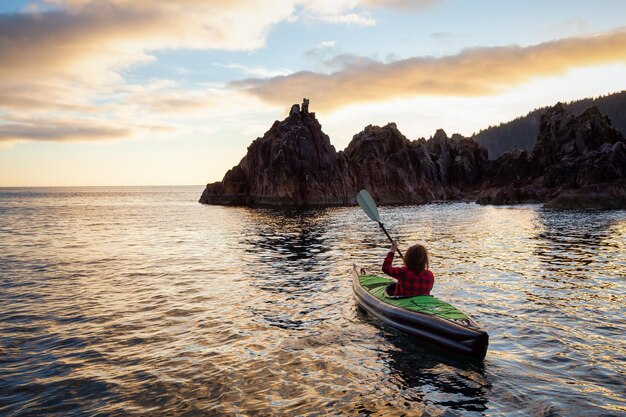
As the paddle glides through the water and you slice through serene landscapes, kayaking offers a blissful connection with nature that few activities can match. However, for those new to this water sport, a common question often arises: Is kayaking dangerous? This article dives deep into the perceived risks and realities of kayaking to help you navigate its waters confidently and safely.
🛶 Understanding the Basics of Kayaking
What is Kayaking?
Kayaking involves paddling a small watercraft using a double-bladed paddle. It can be performed on various bodies of water, including rivers, lakes, and seas. There are different types of kayaking, from calm recreational paddling to adrenaline-pumping whitewater adventures.
Who Can Kayak?
One of kayaking's most appealing attributes is its accessibility. It is a sport that welcomes individuals of all ages and fitness levels. With various types of kayaks available, from stable recreational kayaks to sleek sea kayaks, there is something to suit everyone's interest and skill set.
🌊 Potential Risks of Kayaking
Before setting out on any kayaking expedition, it's crucial to acknowledge potential risks and understand how to mitigate them.
Capsizing: Flipping the Boat
Capsizing is when a kayak overturns in the water, a common fear among beginners. However, with proper training and experience, the risk of capsizing can be greatly reduced. Paddle strokes, balance, and proper kayaking technique play a significant role in preventing capsizing.
Key Tip: Beginners can start with wider, more stable kayaks to build confidence.
Drowning: Water Safety Concerns
Drowning is a severe risk associated with any water sport. Wearing a life jacket (also known as a Personal Flotation Device or PFD) is essential to mitigate this risk. Additionally, understanding basic water rescue techniques and knowing your swimming capabilities can provide extra safety.
Weather Conditions: Unforeseen Changes
Kayaking in adverse weather conditions can increase the risk of accidents. Sudden storms, strong winds, and currents can be challenging for kayakers. Monitoring weather forecasts and understanding local water conditions before heading out is vital.
Key Tip: Always check weather updates and plan accordingly. When in doubt, it’s best to wait for safer conditions.
Experience Level: Skill vs. Challenge
Taking on more than you can handle can lead to dangerous situations. Beginners should avoid fast-moving water and complex routes until they have gained more experience.
Key Tip: Opt for guided tours or kayaking lessons to boost your skills safely.
🚤 Ensuring Safe Kayaking Adventures
While kayaking involves inherent risks like any outdoor activity, many are manageable or avoidable with the right precautions.
Choosing the Right Equipment
A successful voyage starts with selecting the proper equipment. Ensure that your kayak, paddle, and gear suit your kayaking style and skill level.
Safety Equipment Checklist:
- PFD: Proper fitting and readily accessible
- Helmet: For whitewater kayaking
- Whistle and Light: For alerting others and visibility
- Dry Bags: To keep personal items safe
Mastering Basic Skills
Essential kayaking skills ensure a rewarding and safe experience. These include:
- Paddling Techniques: Forward and backward strokes, turning, and stopping.
- Rescues and Recovery: Self-rescue techniques, like the wet exit and Eskimo roll, are crucial.
- Navigation Skills: Understanding waterway maps and using a compass or GPS device.
Developing Awareness of Water Conditions
Being attuned to your surroundings can preemptively avoid mishaps. Learn to recognize hazards like:
- Rocks and Strainers: Can trap your boat or cause capsize.
- Currents and Tides: Affect how you're pulled or pushed.
- Marine Traffic: Larger vessels may not see kayakers.
🌍 Environmental Considerations and Ethical Kayaking
Respect for the environment is a fundamental aspect of responsible kayaking. Practicing Leave No Trace principles ensures that natural waterways remain pristine for future paddlers.
Supporting Local Conservation Efforts
Many kayaking locations are part of ecosystems that require protection. Contributing through conservation-friendly tourism or participating in local clean-up efforts helps maintain these natural environments.
Key Tip: Always follow local guidelines on wildlife interaction to minimize disruption to habitats.
🤔 Answers to Common Kayaking Questions
Can anyone go kayaking? Yes, kayaking is accessible to most people. Beginners are encouraged to take lessons or join guided trips to build initial skills in a safe environment.
What should I do if my kayak tips over? Remain calm and follow your training. You should know how to perform a wet exit and re-enter the kayak from the water. Practicing these maneuvers in a controlled environment can make real scenarios more manageable.
How do I choose the right kayak? Select based on your kayaking style and skills. Recreational kayaks suit calm waters, while touring kayaks are designed for long-distance paddling. Whitewater kayaks are built for maneuverability in rapids.
🚀 Summary: Key Safety Tips for Kayaking
- 🌦️ Plan According to Weather: Always check weather conditions before your trip.
- 🦺 Wear a Life Jacket: Never kayak without a PFD.
- 🗺️ Know Your Route: Understand the waterway and potential hazards.
- 👥 Paddle in Groups: Safety increases with numbers; always go kayaking with others or inform someone of your plans.
- 📞 Stay Connected: Use two-way communication devices if possible.
✨ Embracing the Joy of Kayaking
While it’s important to address the risks, the rewards of kayaking often far outweigh them. The sport offers a unique way to engage with the world, providing opportunities for relaxation and exploration. With the right preparation and mindset, kayaking can be a safe, exhilarating, and unforgettable experience.
Whether you're dreaming of tranquil paddles on a scenic lake or the thrilling rush of navigating river rapids, understanding the dynamics of kayaking ensures you're ready to embrace each adventure confidently. Remember, safety is your steadfast companion—as vital as your paddle in hand.
Related Topics
- Are Guided Kayaking Trips In The Florida Everglades Suitable For Beginners?
- a Short Adventure Kayaking Rentals
- Can i Go Kayaking While Pregnant
- Does Kayaking Build Muscle
- Does Kayaking Have a Weight Limit
- Do You Need a Life Jacket For Kayaking
- How Can I Find Reliable Reviews For Kayaking Trip Operators?
- How Can I Improve My Paddling Efficiency For a Long-distance Kayaking Trip?
- How Do You Spell Kayaking
- How Hard Is Kayaking
- How Many Calories Does Kayaking Burn
- How Much Does Kayaking Cost
- How Much Should I Budget For a Week-long Guided Kayaking Trip?
- How Physically Demanding Is a Kayaking Trip Through The Norwegian Fjords?
- How To Dress For Kayaking
- How To Get Into Kayaking
- Is Kayaking a Good Workout
- Is Kayaking a Sport
- Is Kayaking Easy
- Is Kayaking Fun
- Is Kayaking Good Exercise
- Is Kayaking Hard
- Is Kayaking Safe
- Is Paddle Boarding Harder Than Kayaking
- Is There a Weight Limit For Kayaking