Buy or Rent? Essential Gear Choices for Your First Kayaking Trip
Planning your first kayaking trip can feel exciting and slightly overwhelming at the same time. Between safety gear, clothing, and specialized accessories, it is not always obvious what you should invest in long term and what makes more sense to rent or borrow for now.
This guide breaks down the essential kayaking gear into two simple categories—“buy now” basics and “good to rent at first” items—so you can feel prepared, comfortable, and confident on the water without overspending.
Big Picture: How to Decide What to Buy vs. Rent
Before getting into specific gear, it helps to understand the general pattern many new paddlers follow:
People often choose to buy gear that is:
- Directly related to personal safety
- Tied to fit, comfort, and hygiene
- Useful for other outdoor activities, not just kayaking
They often rent or borrow gear that is:
- Expensive, technical, or specialized
- Not needed for daily life outside of paddling
- Something they may upgrade later once they know their preferences
A simple question to ask for each item is:
“Will I want to use this again in other settings, even if I only kayak a few times?”
If the answer is yes, it usually leans toward buy. If it is mostly specific to paddling and costly, starting with rent can be practical.
Core Safety Gear: What to Own from Day One
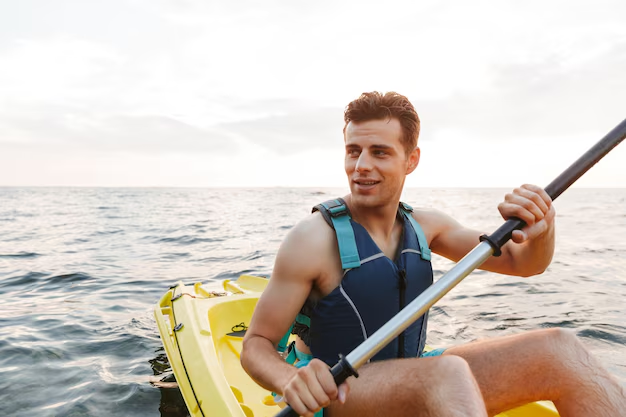
Personal Flotation Device (PFD) / Life Jacket
A properly fitting PFD is one of the most important pieces of kayaking gear.
Why many people buy this:
- Fit and comfort improve when the PFD is adjusted to your body.
- Some prefer having a familiar piece of gear they know how to wear and adjust.
- Many PFDs can be used for other activities such as paddleboarding, boating, or fishing.
Key features to look for:
- Paddle-specific design with arm and shoulder mobility
- Secure yet comfortable fit (snug but not restrictive)
- Adjustable straps around shoulders, sides, and waist
- High-visibility color or reflective accents for visibility
💡 Practical approach:
For a first trip, many people appreciate renting the kayak but owning their own PFD so they know it fits and feels right.
Whistle or Sound Signaling Device
A small whistle attached to your PFD is a widely used safety accessory.
Why it is often worth buying:
- Inexpensive and easy to carry.
- Useful across outdoor activities and emergency kits.
- Simple way to signal for attention if needed.
Because of its low cost and broad usefulness, this item is commonly purchased rather than rented.
The Boat and Paddle: Renting Makes Sense at First
Kayak: Why Renting is Usually Better for Your First Trip
For beginners, the kayak itself is often the biggest question. Most first-time paddlers choose to rent.
Common reasons to rent:
- Kayaks vary widely (recreational, touring, whitewater, sit-on-top, inflatable).
- It can be hard to know what type suits your preferences before you try.
- Transporting and storing a kayak can require extra space and equipment.
- Rental providers often include basic safety gear and advice.
Renting allows you to experience different styles and fits before making a large purchase.
Paddle
A kayak paddle is essential, and many rentals include one.
Reasons many beginners rent the paddle at first:
- Paddle length and shape depend on kayak width, paddler height, and paddling style.
- Good paddles can be a meaningful investment.
- Rental paddles are usually adequate for short, calm-water trips.
When people consider buying later:
- After deciding they enjoy kayaking and will go often.
- When they have a sense of what length and grip feel best.
- When they want lighter materials for comfort over longer distances.
For a first trip, renting the paddle is usually practical and cost-effective.
Clothing and Footwear: Personal Comfort Items to Own
Clothing choices can shape how comfortable you feel on and off the water. Because these items involve fit, hygiene, and temperature control, many paddlers prefer to own them from the start.
Quick-Drying Clothing
Many new kayakers choose to wear:
- Moisture-wicking tops (synthetic or wool-based, not cotton)
- Quick-dry shorts or lightweight pants
- Layers that can be added or removed depending on weather
Why buying makes sense:
- These pieces can be used for hiking, travel, running, or general outdoor use.
- They help keep you more comfortable if you get splashed or lightly soaked.
Footwear
Feet often get wet launching and landing the kayak, so closed-toe water shoes or sandals with straps are commonly used.
Reasons to buy your own:
- Hygiene and fit—most prefer not to share footwear.
- Useful for beaches, rivers, camping, and other water activities.
- Helps protect feet from rocks or rough surfaces.
Even simple, budget-friendly water shoes can work well and see regular use beyond kayaking.
Sun Protection
Spending time on the water often means higher sun exposure due to reflection from the surface.
Common personal sun-protection items people choose to buy:
- Brimmed hat or cap
- Polarized sunglasses with a strap (for glare reduction and security)
- Sun-protective shirt or lightweight long sleeves
😎 Tip: Many paddlers find that polarized sunglasses improve visibility on the water and reduce eye strain, and they are useful in everyday life as well.
Safety and Comfort Extras: High Value to Own, Low Cost to Buy
Some small items can add safety and comfort for a first trip and are often inexpensive enough to justify owning.
Dry Bag or Waterproof Pouch
A small dry bag or waterproof pouch helps protect:
- Phone
- Keys
- Wallet or ID
- Small first-aid essentials
Why people often buy instead of rent:
- Useful for beaches, boats, camping, and travel.
- Easy to store and re-use.
- Many prefer keeping personal electronics in a bag they control and maintain.
Basic First-Aid and Personal Items
It can be reassuring to have a few personal essentials:
- Simple first-aid kit (bandages, antiseptic wipes, blister care)
- Tissue or toilet paper in a bag
- Lip balm and sunscreen
These items are highly personal, easy to pack, and used in many settings beyond kayaking, which is why people generally choose to own them.
Items Often Rented, Borrowed, or Shared
Certain pieces of kayaking gear are more specialized and tend to be rented or shared at the start.
Spray Skirt (for Sit-Inside Kayaks)
A spray skirt helps keep water out of a sit-inside kayak.
Often rented or borrowed because:
- It must match the kayak’s cockpit size and paddler’s waist.
- It is more common in cooler conditions, rougher water, or longer trips.
- Many first-time paddlers start on calm, flat water where a skirt may not be necessary.
If your outfit or rental shop suggests one for the conditions, they usually have skirts that fit their boats.
Specialty Clothing (Wetsuits, Drysuits, Paddling Jackets)
In colder environments, people sometimes use:
- Wetsuits
- Drysuits
- Paddling-specific jackets and pants
These items are generally more specialized.
Reasons many beginners rent or borrow at first:
- High upfront cost.
- Specific to certain climates or cold-water conditions.
- Not needed for warm, calm-water summer outings.
Once someone knows they enjoy paddling in cold conditions regularly, investing in their own technical clothing can become more appealing.
Roof Racks and Kayak Transport Gear
If you are renting a kayak near the launch point, transport gear is often handled by the provider.
Roof racks, foam blocks, and tie-down straps become more relevant when:
- You start renting kayaks to transport yourself, or
- You buy your own kayak.
For a first guided or rental-based trip, these are usually not necessary to purchase.
At-a-Glance Guide: What to Buy vs. Rent for Your First Trip
Here is a simple summary to help you quickly sort your gear choices:
| Gear Item | Common Choice for First Trip | Why |
|---|---|---|
| Personal Flotation Device (PFD) | ✅ Buy | Safety, fit, reusable across activities |
| Whistle | ✅ Buy | Inexpensive, multi-use safety item |
| Kayak | 🔁 Rent | High cost, size/type preferences vary |
| Paddle | 🔁 Rent | Easy to try different sizes/types |
| Quick-dry clothing | ✅ Buy | Broad outdoor use, comfort |
| Water shoes / secure sandals | ✅ Buy | Hygiene, fit, frequent water use |
| Hat, sunglasses, sun shirt | ✅ Buy | Everyday sun protection |
| Dry bag / waterproof pouch | ✅ Buy | Protects valuables, multi-purpose |
| Basic first-aid & personal items | ✅ Buy | Personal use, low cost |
| Spray skirt | 🔁 Rent / Borrow | Specialized, kayak- and size-specific |
| Wetsuit / drysuit / paddling jacket | 🔁 Rent / Borrow | Specialized, climate- and trip-specific |
| Roof rack and transport gear | 🔁 Usually not needed | Often handled by outfitters at first |
Planning Around Your Trip Type and Conditions
The best buy-versus-rent choices also depend on where and how you are kayaking.
Calm Lake or Slow River, Warm Weather
In this scenario, many first-timers:
- Rent: kayak, paddle, optional spray skirt (if needed)
- Buy/Bring: PFD (if not included and you want your own), whistle, sun gear, quick-dry clothing, water shoes, dry bag, personal items
This setup covers key safety and comfort needs with relatively modest purchases.
Coastal, Choppy, or Colder-Water Paddling
More complex conditions can involve:
- Spray skirts for sit-inside kayaks
- Thermal layers, wetsuits, or drysuits
- Paddling jackets and additional safety gear
For a first coastal or cold-water trip, people often work with an experienced guide or outfitter, using their rental gear and local knowledge while bringing their own personal basics (PFD, clothing layers, sun protection, footwear).
Group or Guided Tours
On guided tours, many essentials are already included:
- Kayak and paddle
- PFD
- Some safety equipment
You can usually still bring:
- Your own PFD (if allowed and properly rated)
- Sun protection and clothing
- Dry bag for valuables
This lets you combine the guide’s safety infrastructure with your own comfort and personal items.
Simple Packing Checklist for First-Time Kayakers 🧾
This overview focuses on personal items most paddlers like to own from the start:
✅ Personal gear many people buy and bring:
- PFD / life jacket (if not renting one and you prefer your own)
- Whistle attached to PFD
- Quick-dry shirt and shorts or pants
- Light extra layer (fleece or similar, weather-dependent)
- Water shoes or strap-on sandals
- Hat, sunglasses (with strap), and sun-protective clothing
- Sunscreen and lip balm
- Small dry bag or waterproof pouch (for phone, keys, ID)
- Towel and change of clothes for after paddling
🔁 Common gear to rent or use from the outfitter:
- Kayak
- Paddle
- Spray skirt (if needed)
- Specialty cold-water clothing (if conditions call for it)
How to Prioritize Purchases Over Time
If you discover you enjoy kayaking and want to go more often, you can gradually invest in additional gear instead of buying everything at once.
A common progression looks like this:
- Start with: PFD, whistle, clothing, footwear, dry bag, sun gear.
- Next, upgrade: personal paddle, more specialized PFD, better dry storage options.
- Later, consider: your own kayak, rack system, or advanced clothing for specific seasons and conditions.
This gradual approach allows you to match spending with your actual interest and experience level, instead of guessing upfront.
Bringing It All Together
For a first kayaking trip, many people aim for a balance: owning personal safety and comfort basics while renting the high-cost, specialized equipment. Items like a well-fitting PFD, quick-dry clothing, water-ready footwear, and simple safety accessories tend to be worthwhile early purchases, because they support not just kayaking but a range of outdoor activities.
Renting the kayak, paddle, and any specialized cold-weather or advanced gear gives you room to experiment and learn what you genuinely like, without committing to expensive equipment right away.
With a small set of thoughtful purchases and a smart use of rentals, your first kayaking experience can be safer, more comfortable, and a solid foundation for many more trips to come.
Related Topics
- Are Guided Kayaking Trips In The Florida Everglades Suitable For Beginners?
- a Short Adventure Kayaking Rentals
- Can i Go Kayaking While Pregnant
- Does Kayaking Build Muscle
- Does Kayaking Have a Weight Limit
- Do You Need a Life Jacket For Kayaking
- How Can I Find Reliable Reviews For Kayaking Trip Operators?
- How Can I Improve My Paddling Efficiency For a Long-distance Kayaking Trip?
- How Do You Spell Kayaking
- How Hard Is Kayaking
- How Many Calories Does Kayaking Burn
- How Much Does Kayaking Cost
- How Much Should I Budget For a Week-long Guided Kayaking Trip?
- How Physically Demanding Is a Kayaking Trip Through The Norwegian Fjords?
- How To Dress For Kayaking
- How To Get Into Kayaking
- Is Kayaking a Good Workout
- Is Kayaking a Sport
- Is Kayaking Dangerous
- Is Kayaking Easy
- Is Kayaking Fun
- Is Kayaking Good Exercise
- Is Kayaking Hard
- Is Kayaking Safe
- Is Paddle Boarding Harder Than Kayaking